
Traffic Court Records in Marion County
Marion Municipal Court keeps the traffic docket for all of Marion County, and its clerk is where a Marion County traffic court records search begins. Each case file sits behind a citation issued under state traffic law or a municipal traffic ordinance. Inside you may find the charge, the plea, the hearing setting, payment status, any judicial action, and the final outcome. The court named on the ticket controls the lookup.
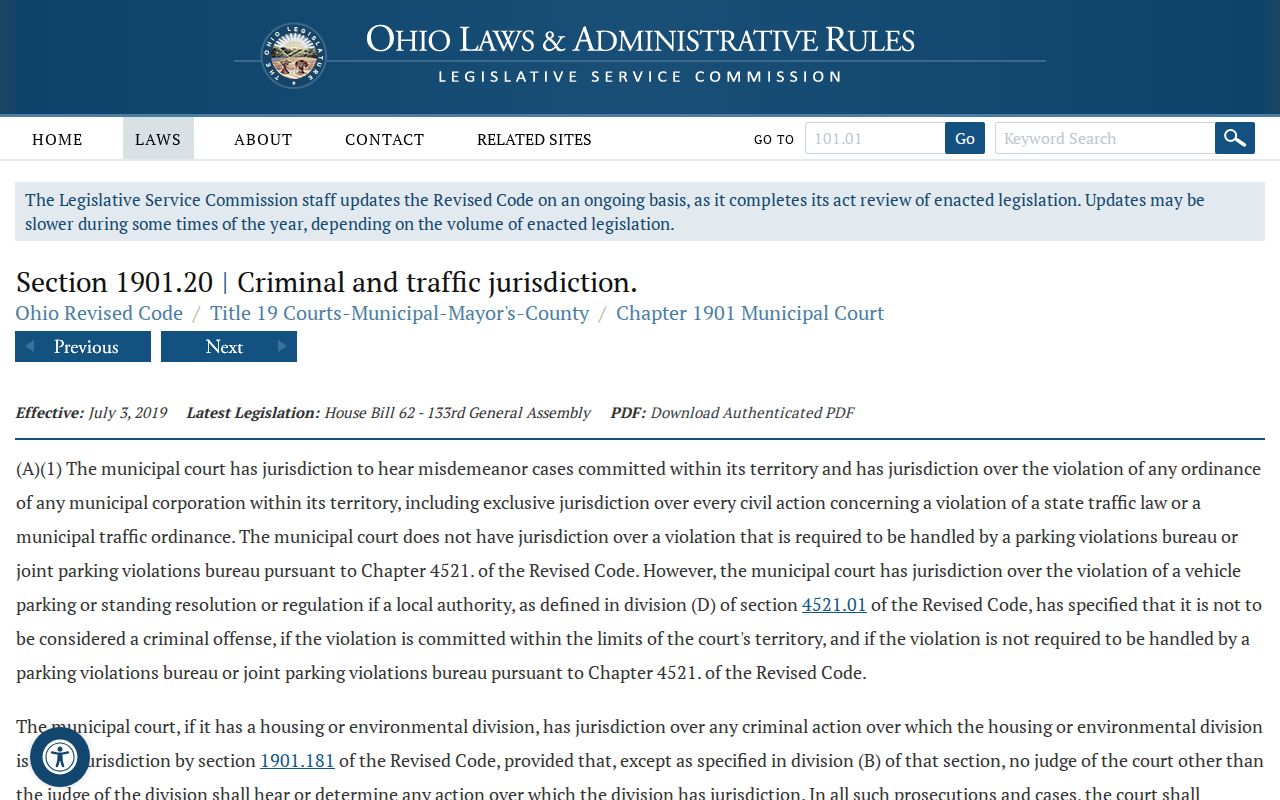
Ohio R.C. 1901.20 supplies that authority. The statute gives a municipal court jurisdiction over traffic-law and traffic-ordinance matters within its territory, which is why this court, not another bench, holds the record.
Marion traffic cases filed in Municipal Court run through that court's own CaseLook and citation-payment channels. The Marion County Common Pleas CourtView system is a different court's tool. It is not the natural first stop for a municipal citation, so start with the Municipal Court instead.
Marion County Traffic Docket Coverage
Marion Municipal Court handles the county's traffic, misdemeanor, ordinance, small-claims, and qualifying municipal civil cases. Adult felonies and higher-value civil suits belong to the Marion County Court of Common Pleas instead. A Marion traffic case can carry a municipal case number even when the ticket was written outside the city limits.
Check the ticket before anything else. It names the court and shows the case number. It also lists the charges and gives the appearance date. If the citation names a court other than Marion Municipal Court, take your docket search to that court first.
How to Look Up a Traffic Ticket
Marion Municipal CaseLook is the public search route for a Marion court docket. Accept the disclaimer, then search. The court cautions that online data can trail what happens in the courtroom by at least 24 hours. Treat results as near-current rather than live. The online payment program is separate. It covers citations the system marks as eligible.
Ohio runs no single statewide trial-court docket portal. A Marion search has no shortcut around the local channels. Is a result missing, new, unclear, or no longer payment-eligible? Call the Marion Municipal Clerk at 740-387-2005, or visit the counter. A certified docket or copy requires the court's formal request process.
- Read the Marion citation for the named court, citation or case number, listed date and time, and each charge.
- Accept the CaseLook disclaimer and search the Marion Municipal case record using the strongest identifier the live form permits.
- Review the matching Marion case and its most recent docket entry. Check for more than one related case number.
- Use the Marion online payment channel only when it returns the citation as eligible. A mailed or in-person payment is also available for an eligible waiver before the listed deadline.
- Call or visit the Marion clerk if the ticket has not posted, the result is delayed, a court date must be confirmed, or the citation is not eligible for payment.
The Marion payment service spells out its own search and result controls. It also notes that the live input labels render dynamically, so the wording on screen may shift slightly from one visit to the next.
| Search Field or Control | Local Use |
|---|---|
| Marion citation or case lookup details | Required to obtain a payment result; the precise live label is rendered in the payment service. |
| Marion search results | Shows all cases relevant to the supplied search. Review every related letter-suffixed result. |
| Continue or Marion payment authorization | Used only to authorize payment after the service shows eligibility. |
| Marion record-update notice | The payment service says its records update every 24 hours; call the clerk when a current response is needed. |
Marion County Traffic Case Numbers
One Marion County traffic ticket can spawn several court cases. The Marion payment information says a ticket may carry as many as seven charges. Each charge gets a letter suffix. Think TRD…A, TRD…B, and TRD…C. Check every Marion result before you authorize payment. Paying one suffix can leave another charge, and its court status, unresolved.
Finding Your Traffic Court Date
The date and time on the citation come first. Confirm any hearing that matters in the newest Marion CaseLook entry or a court notice. If the information conflicts or reads unclearly, contact the Municipal Clerk. Traffic arraignments run Tuesdays at 9:00 a.m. That schedule never replaces the date on your citation or a later notice.
| Citation or Case Number | Use the number on the ticket and check each related result, including a possible letter suffix such as TRD…A. |
|---|---|
| Marion Court | Marion Municipal Court is the normal custodian for a Marion County traffic citation in its territory; verify the court printed on the ticket. |
| Marion Date and Time | The citation and latest court notice control the scheduled appearance or later setting. |
| Marion Hearing Label | The record or notice can identify an arraignment, pretrial, trial, motion hearing, or another setting. |
| Marion Status | Read the latest docket text for a pending action, payment processing, disposition, continuance, or other court event. |
Marion County Traffic Date Controls
The citation date controls, not the Tuesday arraignment pattern. Plead not guilty and the case moves toward a later pretrial or trial notice. The latest docket entry or court notice is the safer record of what comes next.
Two Marion Municipal rules matter here. Rule 111 expects attendance unless the court excuses you. Rule 108 makes a continuance a written request for good cause. Normally, file it at least seven days before trial. Always look for a newer Marion notice before trusting an older date.
Paying or Contesting a Ticket
A waiver-eligible Marion citation can be paid in full online, by mail, or in person. Do it before the deadline on the ticket. The court is blunt about what payment means. It counts as a guilty plea. It also waives your appearance and trial, and closes the case once processed. A mandatory or non-waiverable citation skips all of this and requires a court response instead.
| Paying an Eligible Ticket | Contesting or Appearing |
|---|---|
| Full Marion payment is required. The payment channel does not accept a partial payment. | A mandatory or non-waiverable citation requires a Marion court appearance at the listed date and time. |
| Marion payment enters a guilty plea, waives appearance and trial, and closes the case after processing. | A not-guilty plea produces a later Marion pretrial or trial notice; later settings still require attention. |
| Pay online, by mail, or in person only when the Marion court treats the charge as eligible. | For Marion misdemeanor traffic cases, Rule 309 allows certain written not-guilty pleas, but later hearings or trial still require personal appearance. |
Missed Court Date or Payment: The Marion Municipal Court says a missed date can lead to an arrest warrant, added fees, and notice to the Ohio BMV of a license forfeiture or block. Rule 307 also addresses failure to appear, pay on time, or obtain a payment plan. If the Marion payment system no longer shows eligibility, appear at the clerk's office rather than relying on an old online result.
Marion County Traffic Payment Rules
Not every Marion County traffic citation can be paid online or waived at all. The court's exclusion list is long. It covers felony or indictable matters, OVI, leaving the scene, and driving under suspension or without a license except certain expired-license situations. The list also reaches repeated moving violations, eluding, drag racing, physical control, illegal plates, 100 mph or more, and passing a school bus. Add some railroad-crossing violations, reckless operation, and overload violations. Eligibility comes from the Marion court record and the current waiver schedule. It never comes from a guess based on the charge name. Check the citation control before assuming payment is an option.
Court Traffic Record vs Driver Record
Two offices hold two different records. Marion Municipal Court and its clerk keep the traffic case file. The Ohio BMV keeps a separate state licensing record. The court docket answers questions about the case number, charge, plea, and court date. It also covers payment status, docket events, and the judicial outcome. It cannot stand in for the BMV's file. The BMV file is no replacement for the Marion court docket either. Know which record your question targets before you search.
| Question | Court Traffic Record | Separate State Record |
|---|---|---|
| Custodian | Marion Municipal Court Clerk. | Ohio BMV. |
| Case information | Marion citation, charge, plea, hearing or setting, payment status, court action, and disposition. | A separate state licensing record maintained outside the Marion Municipal Court case file. |
| Request route | Marion CaseLook for a public docket, then the Municipal Clerk for a verified docket or copy. | Request through the Ohio BMV's separate record process; no Marion County court request reaches that file. |
Marion County Traffic Safety Program
Marion Municipal Court offers a way out for many waiverable offenses. Its Traffic Safety Program works as a Marion docket escape hatch. Officers usually hand you the application. You can also get it from the Marion clerk or the court website. Get it filed before arraignment. The court rarely accepts an application more than three weeks past that date. Expect to submit the application and pay the fine and costs in full. You must also enter a guilty or no-contest plea.
Acceptance puts the case on hold for 60 days. Finish on time and the Marion court dismisses it. No conviction goes to the BMV. Miss the deadline and the conviction gets reported, with no refund either way. The Marion Traffic Division page lays out how the program works.
Fees and Copies
No single traffic amount fits every Marion citation. The fine and costs turn on the charge, waiver status, and what the court orders. The Marion Municipal Clerk does publish its record-copy prices. When you need a verified copy, go through Marion's formal request process. Say plainly whether you want a plain or certified copy. One caution: an online payment amount is not a copy fee.
| Item | Fee | Notes |
|---|---|---|
| Marion online waiver | Exact fine and cost depend on the citation | Full payment only; the current waiver schedule controls eligibility. |
| Marion payment after appearance | Fine and cost as ordered | Follow the court's order and any clerk instructions. |
| Municipal traffic record plain copy | $0.10 per page | Local Rule 124 formal record-request fee. |
| Municipal certified traffic record or document | $5 per certified copy | Specify certification in the request. |
| Traffic Safety Program | Fine and cost in full; separate amount not located | Do not assume an additional program fee without confirmation. |
Marion County Traffic Record Requests
Marion CaseLook and the payment service both warn that updates can lag by 24 hours. A Marion entry may sit too stale to help after a missed court date. It may not tell you whether payment is still an option. Read the citation first. Check the latest Marion CaseLook result. When the status really matters, call or visit the Municipal Clerk rather than guessing at a docket entry. Need a verified docket or a copy? The Marion court's formal request process is the right route, not repeated payment attempts. Ohio R.C. 2303.901 sets the official rules on case documents and personal-identifier restrictions.
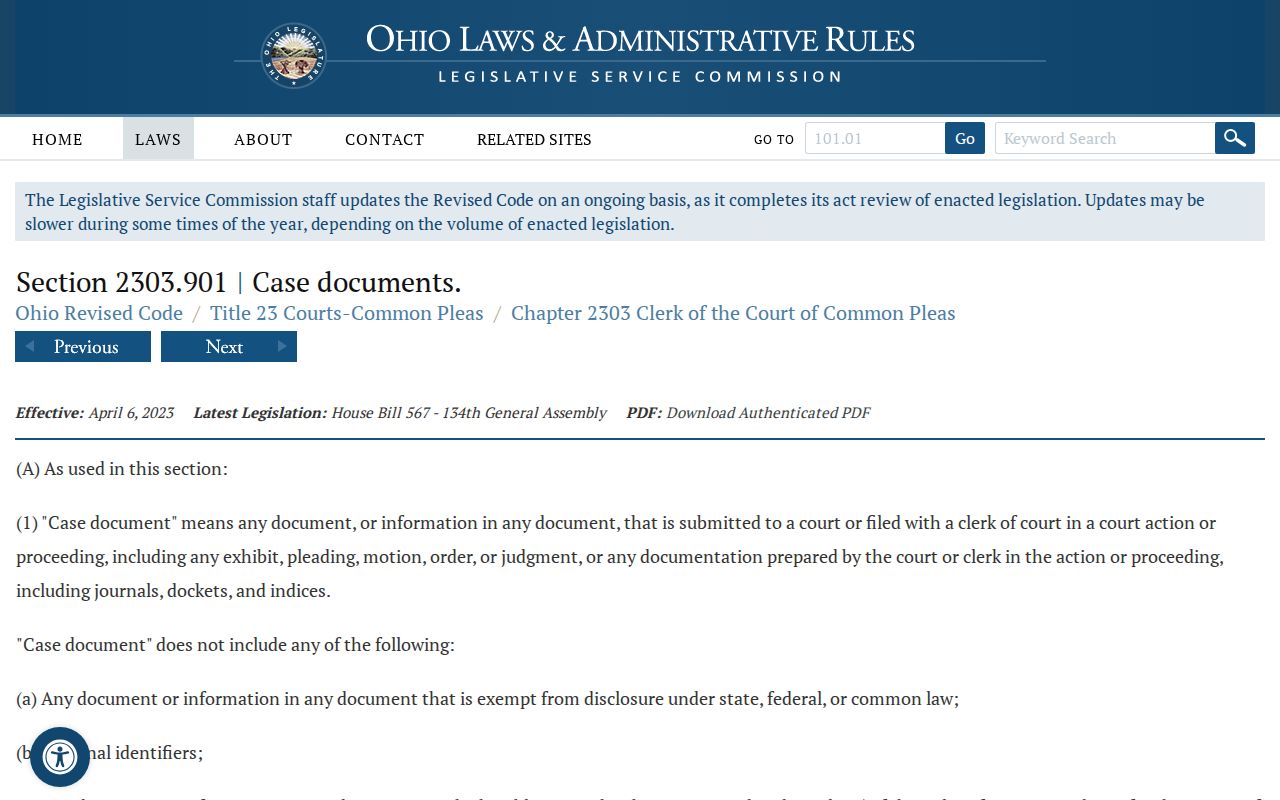
That access rule explains a common puzzle: a court record shows a dated entry while the related document or personal identifier stays off the remote display. Ask the clerk for whatever record the court's access rules make available.